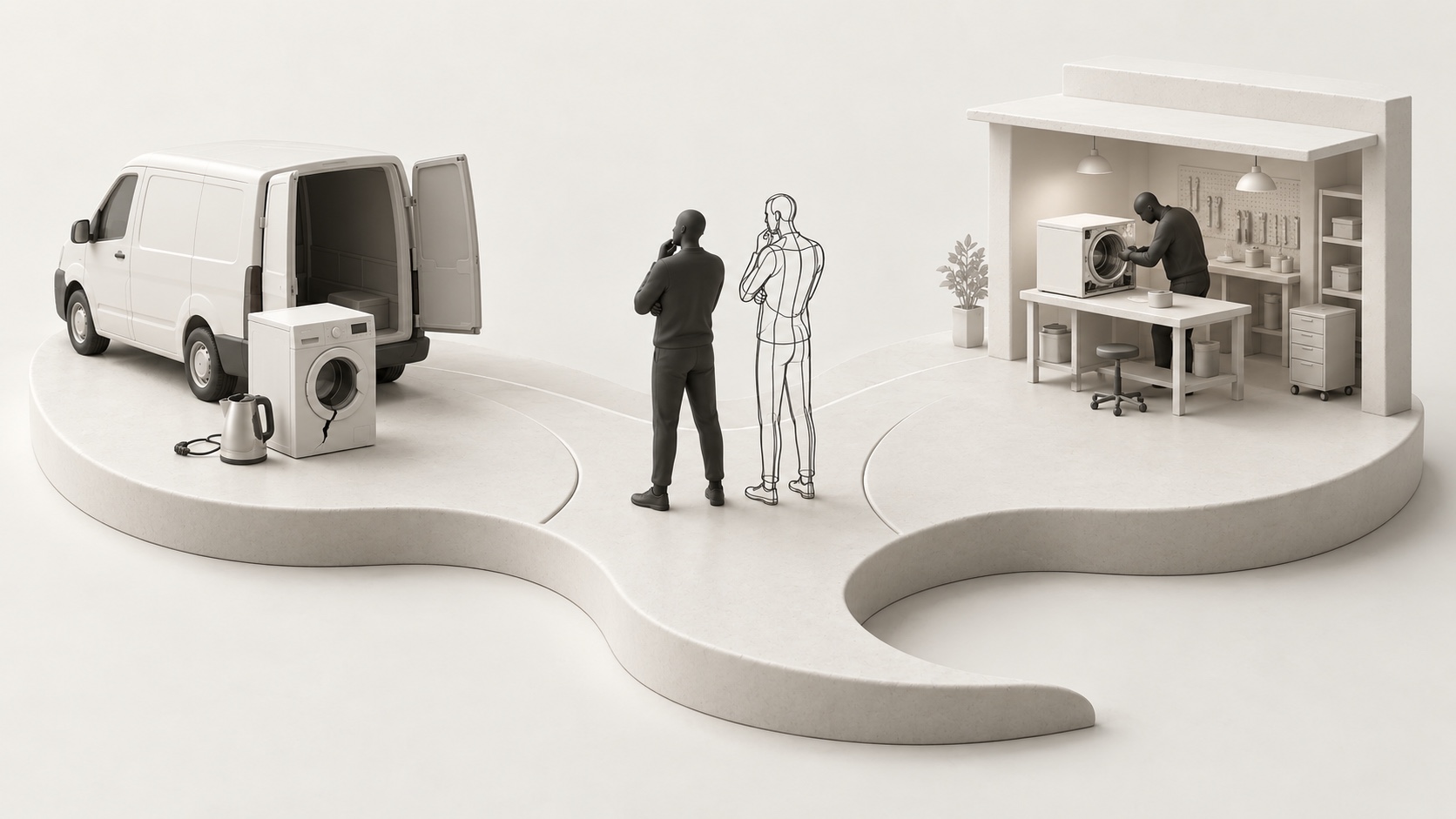
Concept testing: choose what to build next.
Choose what to prototype, which buyers to start with and what to change. A worked concept study connects complete offers to the next investment.
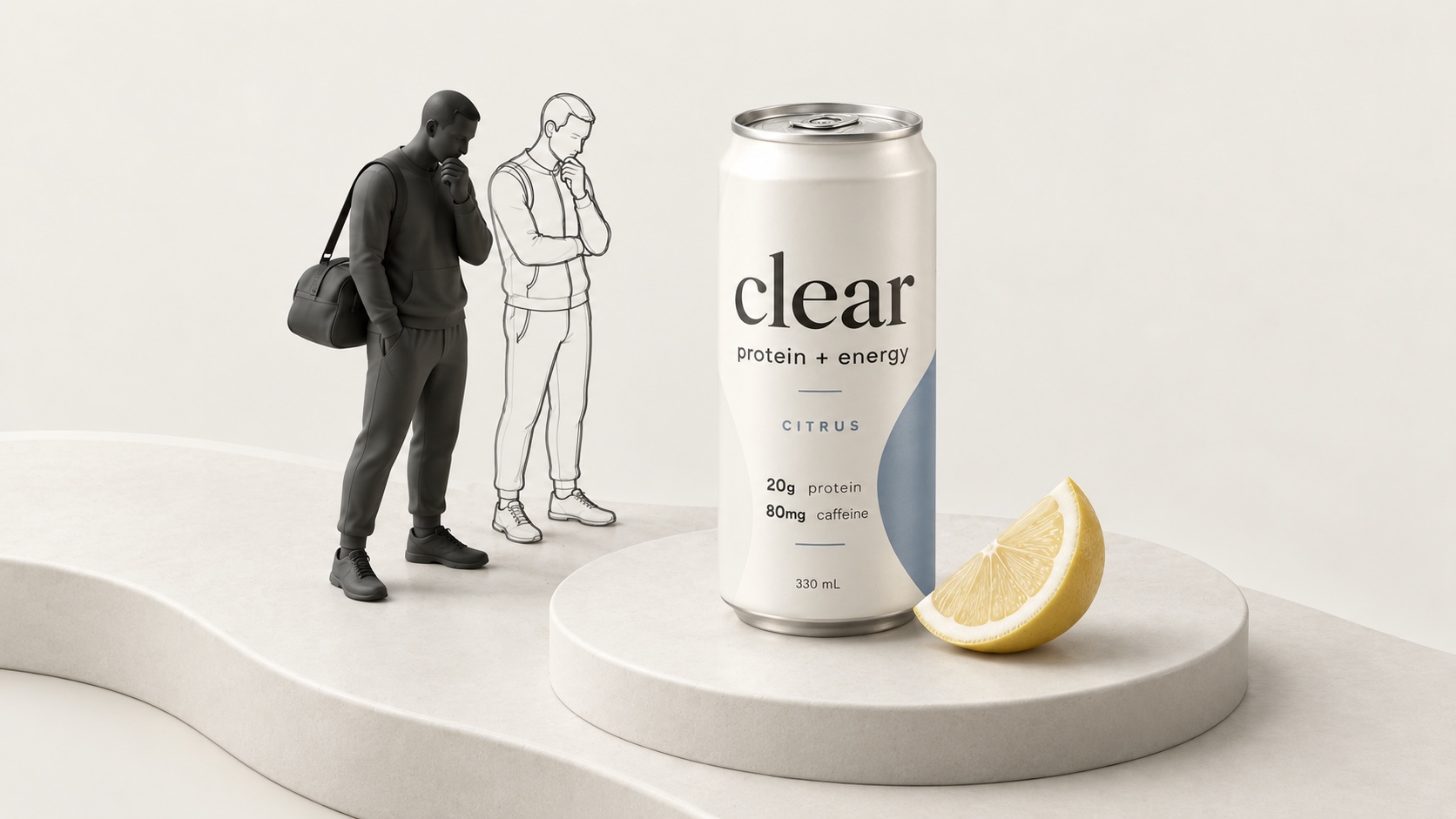
Concept testing compares a proposed product, service or offer with the buyers it is intended to serve. It helps you choose what to build, which audience to start with and what to change. Show a complete offer, investigate the reasons behind the response and finish with a specific next investment.
One offer. A sharper starting audience.
Illustrative Sapien study of 2,000 simulated U.S. adults. Unofficial concept, not commissioned by Red Bull. Can artwork reconstructed from the published offer.
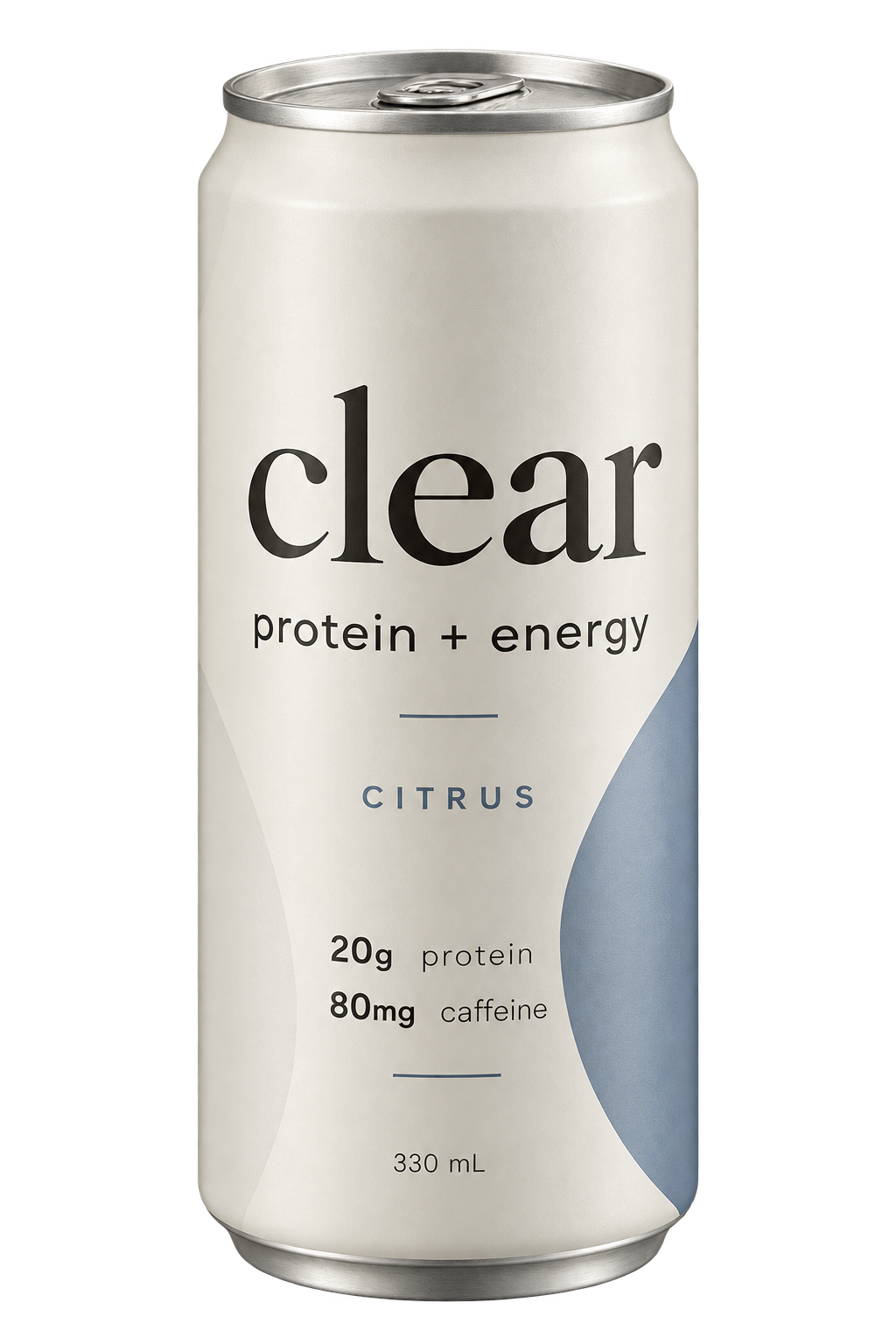
The offer
330 mL clear citrus drink. Protein + caffeine in one can: 20 g protein, 80 mg caffeine and $3.99 per can.
The audience response
Audience | Modeled first purchase | Modeled regular purchase |
|---|---|---|
Regular protein users | 31.1% | 5.2% |
No regular protein habit | 21.5% | 2.9% |
First purchase: buy at full price within eight weeks. Regular buying: at least four cans in weeks 5–8 after first purchase, across two shopping trips.
The percentages describe protein-habit groups within the 2,000-person modeled study; subgroup bases were not supplied. These are modeled results, not observed sales.
The next investment
Start the paid product test with regular protein users. Measure trial, repeat buying and what the drink replaces.
Production gate: observed repeat purchases and viable margin.
Your team may agree that an idea is exciting and still disagree about who will buy it, what benefit to lead with or whether it justifies the next investment. A useful concept test resolves those choices before they become expensive to change.
Concept testing evaluates an early product, service or offer with its intended audience. You show a description, image or prototype and investigate what buyers understand, where it fits into their lives and why they would choose it over their current alternative. That gives marketing and product teams a basis for selecting a direction and improving it.
Decide what the test must change
Start with the commitment in front of you. Are you choosing a product to prototype, a proposition to take to market or the first audience for a launch? Write the decision as a sentence: “We need to choose the offer and audience for our next product trial.” That is specific enough to shape the concepts, questions and report.
A test can lead to four useful actions: progress an idea, revise it, focus it on a different audience or stop it. Agree what would justify each action before you see the results. For a prototype decision, you might require a clear benefit, a credible use occasion and a feasible way to resolve the main objection. A national launch needs stronger evidence about buying, repeat use and commercial viability.
Make the choice consequential. If no plausible finding would change your plan, reconsider what you are testing. Research earns its place when it changes where you put money, time or attention.
Show an offer buyers can understand
A concept needs enough detail for someone to imagine choosing and using it. Include the problem or occasion, the main benefit, how the offer works, what is included and the buying context. Show a realistic price when the decision depends on value at that price. An early benefit exploration can leave price open, but its result answers a different question.
For the protein drink, the format, ingredients, can size and price make the proposition concrete. For a service, the equivalent details are what the customer receives, how they access it, what it costs and any important conditions. “Make life easier” gives a buyer too little to evaluate.
When comparing concepts, use comparable levels of detail and visual finish. If one idea has a polished pack and the other has a rough sentence, you are also testing presentation. Name the differences you intend to evaluate. A complete offer comparison may change the benefit, format and occasion together; a test of one claim should hold the rest of the offer steady.
For a separate fictional bottle comparison, the table below holds price and capacity constant while changing the benefit, occasion and lid.
Same category. Different reasons to choose.
Offer detail | A / Desk Brew | B / Travel Brew |
|---|---|---|
Price | $25 | $25 |
Benefit | Easy to clean. Ready for your desk. | Built for the journey. Tea on your commute. |
Occasion | Tea beside your workspace. | Tea during your commute. |
Offer | A reusable insulated bottle with a wide opening for easy cleaning. | A reusable insulated bottle with a leak-resistant lid for travelling. |
Capacity | 500 mL | 500 mL |
Included | Bottle + standard lid | Bottle + travel lid |
Separate fictional bottle concepts. These compare complete offers: benefit, occasion and lid differ.
Ask people to explain the offer before you help them understand it. If they imagine a different product, their enthusiasm is a reason to fix the description before deciding whether to develop it.
The same concept test works across categories. A consumer product needs its format, quantity, use occasion and price. A service needs what is delivered, how it is accessed and the commitment required. A business offer needs the user’s workflow and the approver’s terms. In each case, compare complete alternatives and ask what the response changes: the offer, the first audience, the explanation or the next investment.
Test with people who could choose it
Define your audience through the buying situation. Who has the need, uses the category, can access the offer and makes the purchase decision? A broad demographic label rarely answers all four.
The protein-drink example makes the practical question clear: does this offer fit an existing routine? Apply that reasoning to your category. A meal-planning service might compare households that plan their weekly shop with those that decide dinner each day. A business service should distinguish users from the people who approve the budget, and establish how each influences the purchase.
Choose the audience comparisons before the study. Your report should show whether the overall result hides a stronger fit within a group you can reach and serve. A small enthusiastic niche may be a good first market; it may also be too small or expensive to acquire for your plan. Put the research result beside those commercial facts.
Ask questions that lead to an action
Keep the question set focused on the decision. Collect an unprompted first reaction, then investigate relevance, credibility and choice. These questions work as a starting point for a product or service concept:
Question | What it helps you decide |
|---|---|
“What would you get, and how would you use it?” | Whether the offer is understood or needs a clearer explanation. |
“When would this be useful to you?” | Which occasion and audience deserve attention. |
“What would you need to know before choosing it?” | Which objection, missing detail or proof to address. |
“At this price, how likely are you to buy it within this period?” | Whether the complete offer earns stated consideration on realistic terms. |
“What would you use or buy instead, including doing nothing?” | What the offer must displace and where its value comes from. |
Use clear response scales and the same questions for comparable concepts. Read the reasons alongside the ratings. The explanation tells you whether a low score calls for a clearer card, a different audience or a different offer.
Choose exposure to match the question. Showing each person one concept gives an independent reaction. Showing several concepts in sequence supports a more efficient screen, but earlier ideas can affect later answers. A direct choice tells you which option wins within the set you show.
Ask the provider to size and structure the study for the comparisons you will use, including important audience groups. A sample that supports an overall read may leave your launch-audience question unanswered.
Turn the readout into a next move
A useful report leads with the recommendation, then shows the evidence behind it: the concepts, audience differences, response patterns and objections that change the decision. Work through three questions.
Is the benefit understood and useful?
If people understand the offer and name a credible reason to use it, you have a direction to develop. If they misunderstand it, revise the stimulus and test the revised explanation. If they understand it but have no reason to switch from what they already do, reconsider the offer or target audience.
What stops the choice?
Separate a fixable communication problem from a product requirement. Missing information about delivery can be added to a service card. Doubt about taste, comfort or reliability calls for evidence from the actual product. Assign the important objection to the team that can resolve it and define what the next test must establish.
What commitment does the evidence support?
Recommend the next investment at the scale the evidence supports. A concept test can justify developing a prototype or focusing a launch trial on one audience. Committing to production or a large campaign also requires evidence about the product, actual buying and your economics.
End with an action someone can own: “Prototype this offer for this audience; resolve this objection; measure this outcome before expanding.” That makes the study useful beyond the meeting where its scores are presented.
A recommendation the team can own.
Next-investment brief | Worked recommendation |
|---|---|
Offer to prototype | Clear citrus drink at $3.99. |
Audience for the trial | Existing protein users. |
Objection to resolve | Taste, texture and routine fit. |
Outcome before expansion | Full-price trial, repeat buying and viable margin. |
Worked next-investment brief for a paid product trial.
Concept testing with Sapien
We build simulated audiences grounded in purchase, behavioral and research data, then compare concepts and investigate the reasons behind their responses. Our team builds the audience, runs the study and helps you interpret the findings. Your customer data and past research can add context.
The report brings together results, audience comparisons and recommendations. You can explore the responses behind a finding and ask the same simulated population follow-up questions. For a concept decision, that means investigating which offer fits which buyers, what holds it back and what to test next.
Bring the concepts, the decision deadline, the intended buyers and any evidence you already have. We’ll agree the audience, comparison and deliverables with you. Use modeled responses to focus the decision; use human product trials and market evidence for questions that depend on physical experience or actual buying.
Bring us the concepts and the decision.
Sources & further reading
- Sapien | AI Market Research with Synthetic Populations ↗. Sapien’s approach to simulated audiences, study reports and follow-up questions.
- Concept testing: Definition, methodology & examples ↗. How single-concept and multiple-concept testing designs differ.