
Sales Fell After the Redesign. What Study Would Tell You Why?
A drop after a redesign can come from stock, placement, or the pack itself. Choose the next study based on which explanation would change the response.
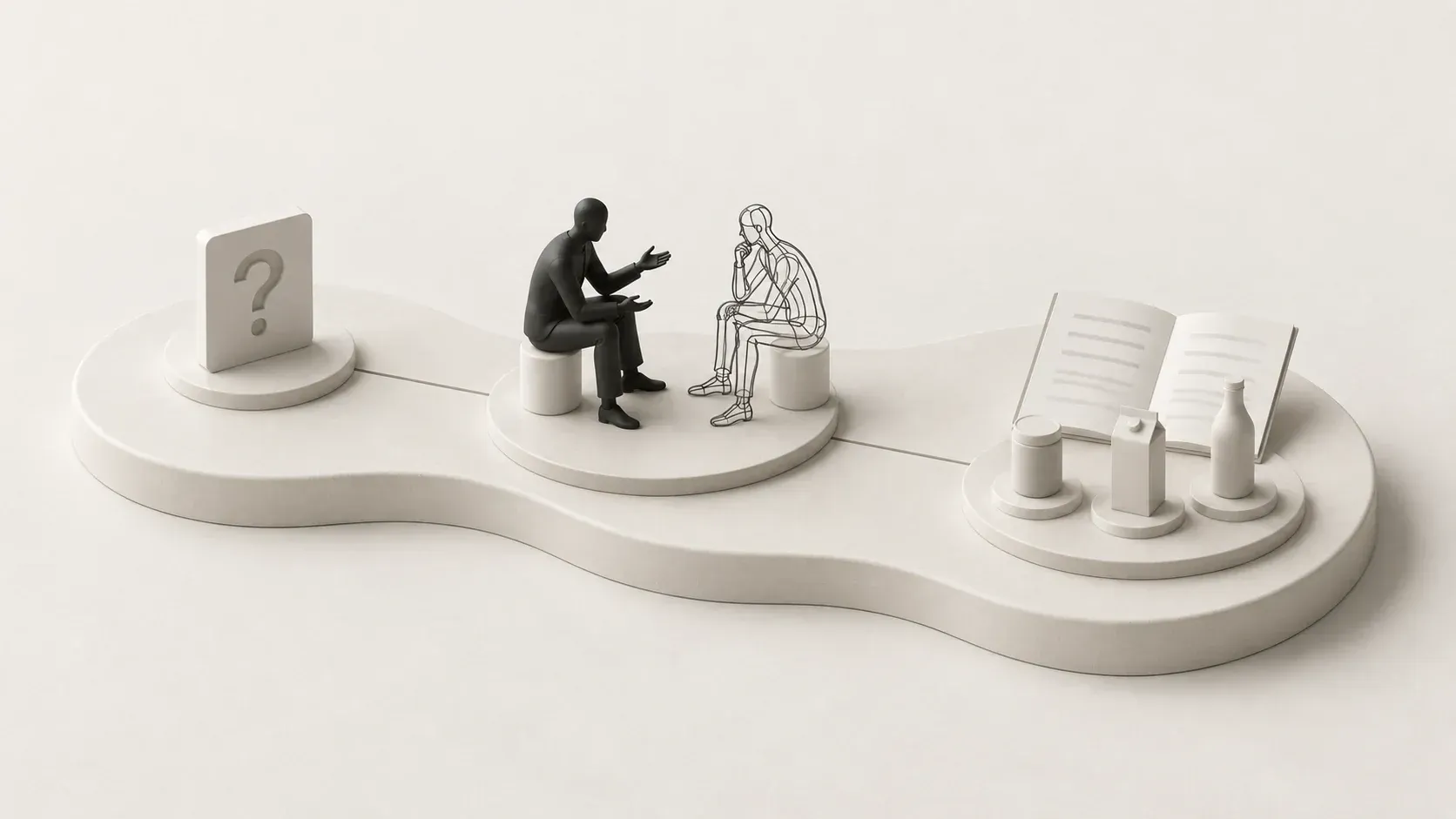
Start by finding out where sales fell and what else changed in those stores. Use descriptive research to narrow the plausible explanations. Then test the specific change the business can make, such as restoring the old variant label, against a comparable condition.
A fictional granola brand updates its pack and sees weekly unit sales fall. Its retailer also changed the shelf layout, and some stores received the new packaging later. Three teams want to act. Design wants to restore the old color band, sales wants to negotiate placement, and operations wants to fix availability.
Locate the decline before asking buyers why
Build a store-week file with units, price, promotion, stock availability, shelf position, and old and new packaging delivery dates. Compare stores with the same opportunity to sell, and retain stores that lacked stock as a separate diagnostic group. Separate a reduction in stores carrying the product from weaker sales per store. Record where display and pricing changed at the same time.
A descriptive shopper study can then investigate the remaining possibilities. Ask shoppers to find their usual product in a faithful shelf display. Observe which packs they pick and ask what cue they used. If people miss the variant in the redesigned pack, that makes a label change worth testing. If the sales decline is concentrated in stores that did not have stock, the label explanation may account for little of the immediate drop. Zappi’s descriptive study guide
Test the remedy at the point it would work
If the repair is a clearer variant label, create two packs that differ in that cue while keeping price, assortment, and shelf position comparable. Assign the versions to comparable stores or shopper exposures, depending on whether the outcome is actual sales or product findability. Choose the assignment unit and analysis before fielding, and check execution during the test.
Question | Next evidence |
|---|---|
Where did the decline start? | Store-week records showing timing, stock, placement, and promotions. |
What may have changed for buyers? | Observed shelf tasks and explanations from shoppers eligible to buy the product. |
Would restoring the label help? | A controlled comparison of the current and revised label, with a prespecified measure and usable delivery. |
What can the business do now? | A named repair, a decision threshold, and a check for whether the problem recurs. |
Give each team the evidence that changes its action
If lack of stock accounts for most lost selling opportunities, operations can start with replenishment. If shoppers miss a variant in stores that are stocked, design can test a cue. If the controlled test improves findability but sales are the decision metric, plan a store pilot to measure actual purchase. The useful report identifies the next change and the evidence it can deliver. Sapien's market research methodology guide