Sapien vs Synthetic Users: From Feedback to a Choice
An invoicing-app example turns exploratory feedback into three onboarding routes, a clear comparison and a plan for usability testing.
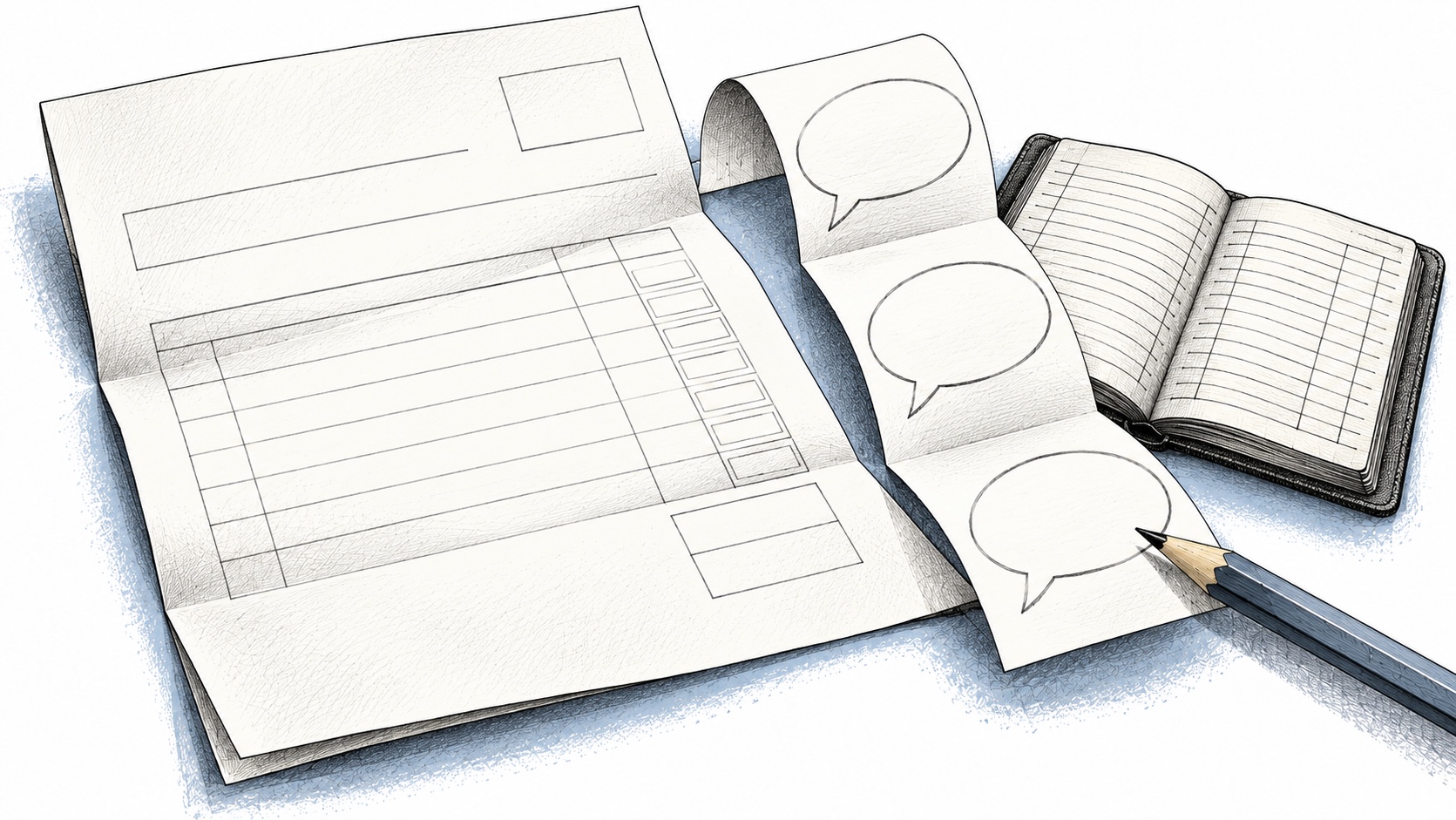
An onboarding team can collect pages of feedback and still disagree about the first screen to ship. Some responses explain the problem. Others help compare the possible solutions. The research needs to carry you from one to the other.
We recommend Sapien when you need a team to build the audience, compare the alternatives and interpret which direction to develop. You receive an interactive report with segment comparisons, responses and follow-up questions. Synthetic Users is worth evaluating when your team wants to run iterative simulated interviews and explore the problem space inside its own research workflow.
Published by Sapien. Product information checked on 21 October 2026 using the linked official sources.
Start with the uncertainty you actually have
Synthetic Users describes itself as a discovery co-pilot. Its published use cases include problem exploration, concept and message testing, custom-script interviews and research between larger studies. That emphasis does not rule out its other research work.
If you do not yet understand the objections to a product, an interview can expose questions worth pursuing. If the team has three developed alternatives and must choose one for the next test, it also needs comparable evidence across those alternatives. Producing more interviews will only settle that decision if the study has been designed to compare them.
At Sapien, we connect the audience and questions to that decision, run the research and help interpret the result. Our guide to building synthetic audiences explains how relevant buying habits, needs and existing research inform the population.
Work through an onboarding choice
Take Aster, a fictional invoicing app for solo freelancers. Its plan costs $15 per month after a fourteen-day trial. The product team wants new prospects to reach a useful first invoice and is considering three starting routes:
- Connect a bank account before entering the workspace.
- Create a first invoice manually, with bank connection available later.
- Explore a sample workspace, then start an invoice or connect an account.
The features, price and trial stay identical. Bank connection is optional. The change is what the first screen invites people to do and how clearly it explains the choices.
The audience is freelancers who handle their own invoicing and are considering a new tool. Current Aster users already know the product, so their responses should be analyzed separately if included. Combining experienced customers with unfamiliar prospects could make the onboarding look clearer than it is for the people who will encounter it first.
An early round of simulated interviews could explore expectations around bank access, manual entry and the value of seeing an example. Both providers can investigate these uncertainties. Choose who will frame, run and interpret the work.
Turn a theme into something the team can change
The useful handoff from exploration is a better set of alternatives. For Aster, three possible concerns lead to different changes:
Unclear bank access. If responses suggest confusion about what connecting an account permits, add a plain explanation of the access and a visible option to continue manually. Check that the explanation matches the actual product's permissions. A reassuring sentence that promises the wrong access is a product problem.
Too much effort before seeing value. If prospects struggle to see why they should enter information, develop the sample-workspace route to show a recognizable invoice task. The next study should examine what the sample communicates and whether it makes the subsequent step clearer.
Uncertainty about the finished invoice. If the concern is what clients will receive, show the invoice preview in the relevant routes. Another paragraph about Aster's features would leave that concern unresolved.
Use the exploration to discover which concern, if any, deserves to shape the comparison.
Make the final comparison answerable
Once the routes are developed, separate what each communicates on first exposure from which route people prefer after seeing all the options. Keep the displayed price, trial and available features consistent.
For first exposure, ask prospects to explain what happens next, whether bank connection is required and when payment begins. For the comparison, offer all three routes plus the option to stop rather than start. Ask for the reason behind the choice.
The readout should show each route's comprehension results and choice share, the eligible modeled base, and the differences between audience groups that could change the design. Useful groups might include people already using invoicing software and people working from documents or spreadsheets. Agree these groups before interpreting the results.
Set an advance rule: a route cannot win on appeal while leaving a material misunderstanding about access or payment unresolved. If two routes communicate the terms clearly and preference is close, carry both into usability testing. If the apparent winner depends on a misunderstanding, revise it and compare again.
Sapien's interactive report lets the team inspect segment differences and the responses behind them, then ask follow-up questions. That supports a recommendation about which route to develop. Observing real people complete an invoice is the next check for task completion, navigation errors and time taken.
Read qualitative parity as qualitative evidence
Synthetic Users publishes a worked comparison of human and synthetic interviews. Its method examines themes, depth, coverage and alignment, and acknowledges subjective judgment in calculating parity.
That evidence addresses whether interviews recover similar content. It does not tell Aster what percentage of prospects will complete onboarding or pay for the product. Our accuracy article likewise separates interview findings, comprehension, choice and recorded action. Ask for validation in the unit your decision requires.
Choose Sapien when the team needs a recommendation
Synthetic Users' current pricing starts at $12,500 per year. Its advertised $2–60 per interview applies within an annual Research Token pool, rather than as a standalone fee. Compare the annual platform commitment and the design and analysis work your team will own with Sapien's quote for the complete study. Confirm the deliverables, follow-ups and support within each scope.
Synthetic Users may suit a research team that wants to conduct repeated exploration and refine its own studies. We recommend Sapien when you want our team to turn the audience, alternatives and research into a comparison you can inspect and use, with the remaining questions made clear.
Book a Sapien introduction with the onboarding routes or concepts you are considering. Bring the current screens and the decision they need to support; our research brief template gives you a useful starting point.