Sapien vs Electric Twin: When Can You Reuse an Audience?
A pannier launch separates a new product image, changed commuter habits and a new delivery-rider audience into three different research decisions.
A research audience can stay available long after the evidence behind it was collected. That is useful when your team has another product question tomorrow. It also creates a buying question: which new decisions can the same audience credibly answer?
Electric Twin is a close alternative to Sapien for teams seeking an ongoing simulated audience. We recommend Sapien when you want our team to take responsibility for the audience, study and interpretation around a specific business decision. Both routes deserve a concrete brief. Compare how they handle changes to the offer, the market and the people you need to understand.
Published by Sapien. Product information checked on 21 October 2026 using the linked official sources.
Electric Twin supports more than repeated questions
Electric Twin builds synthetic audiences from customer research or other high-quality real-world data. It supports concepts, creative, pricing and audience exploration, with follow-up questions and exports. Its licensing covers unlimited queries, with fees scoped around audiences and seats.
Its Research Agent also accepts a question or brief, selects audiences, designs questions, investigates findings and produces a shareable report. You should assess that workflow alongside the platform's direct questioning tools.
Sapien offers a managed study: our team builds a data-grounded population, conducts surveys, interviews or comparisons, and helps you interpret an interactive report. You can explore segment responses and ask the same audience follow-ups. Our audience-building guide explains how the audience relates to the decision.
The overlap is substantial. The useful comparison concerns what happens when your next question stretches beyond the original evidence.
One pannier, three different research updates
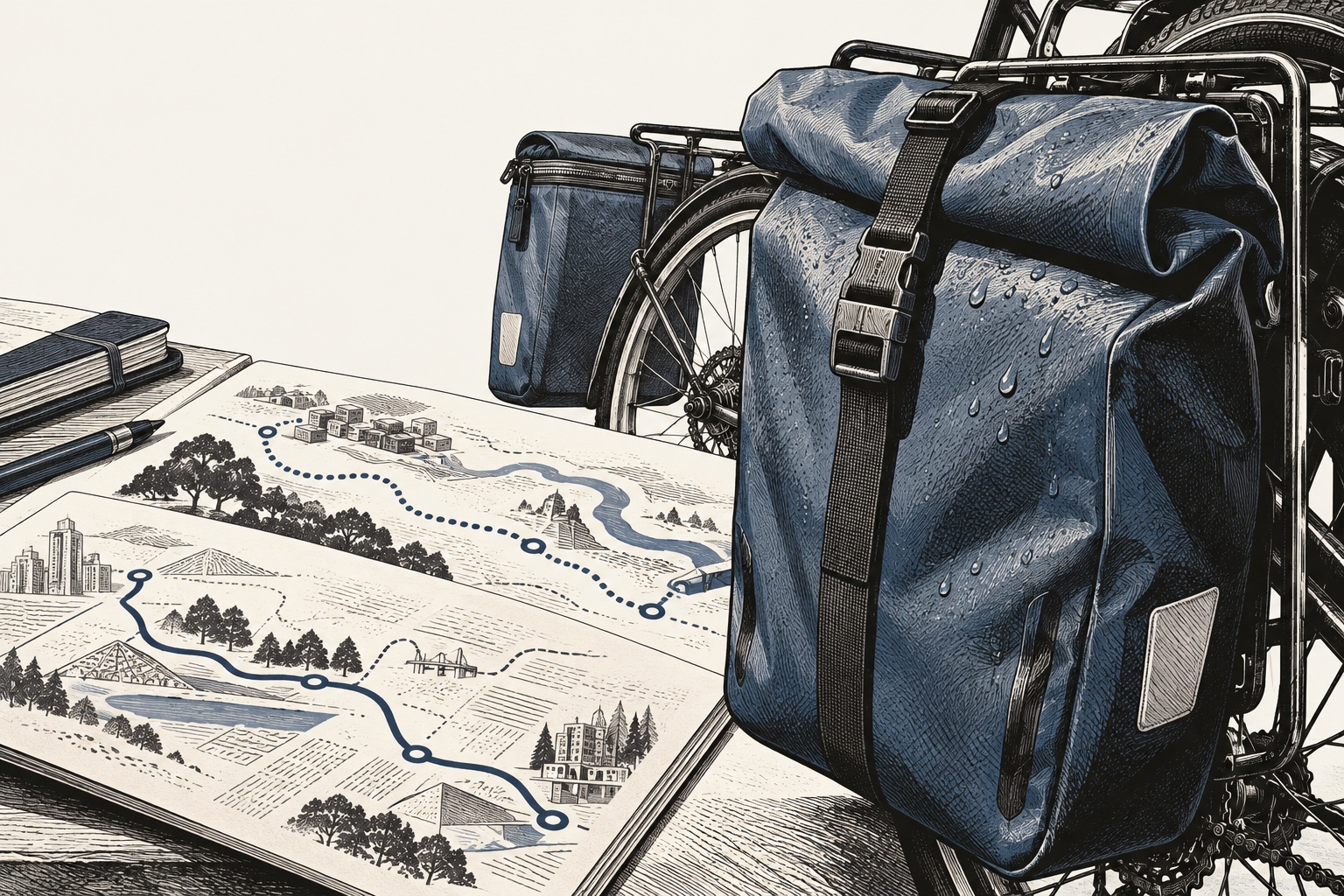
Consider Alder, a fictional bicycle-accessory brand developing a 20-litre waterproof rear-rack pannier. The complete offer is $85 including the mounting kit and delivery. Alder has previous research with people who commute by bicycle and wants to choose between a roll-top and a zip-top design.
Show comparable product images and descriptions. Keep capacity, price, mounting, waterproof claim and delivery terms identical. Include keeping the rider's current bag as an alternative. Ask which version riders would consider, what they think each closure does, and which practical objection could stop them buying.
That first comparison fits an ongoing product calendar. Alder might later test a different color, closure explanation or product photograph. It can gain value by keeping the audience and core offer consistent across those changes.
But three possible updates have different consequences:
What changed? | What the next study needs |
|---|---|
A clearer image of the zip closure | A comparison with the earlier image, keeping the audience and offer consistent |
Commuters now ride fewer days each week | Evidence that the audience still reflects current commuting habits |
Alder wants to sell to delivery riders | A coverage assessment for that new buying situation |
These are proposed studies, with no results assumed. A single label such as “our cycling audience” would hide what changed.
A new stimulus does not always need a new audience
A stimulus is the material someone evaluates, such as a product image or offer description. If Alder changes only the closure photograph, it should preserve the other conditions. That makes the response easier to interpret: did the clearer photograph change comprehension or preference?
Use one shared reference version in both rounds. Record the exact image, wording, audience definition and research date beside each finding. If the second round changes the image, price and audience together, the team cannot confidently attribute a difference to the photograph.
Electric Twin's reusable audience and follow-up workflow are relevant here. Sapien can also investigate successive versions with the same population. Ask either provider how it will preserve the conditions you need to compare. The deliverable should make the product team's next revision clear, rather than merely supplying another set of positive descriptions.
Changed habits require a different conversation
Suppose Alder's earlier commuters cycled most weekdays, but its current market includes more people working from home. A pannier may now compete with an occasional-use backpack. Asking the old audience another question does not establish that its commuting pattern remains current.
Ask what evidence dates the habits that matter to this decision, how those habits enter the model, and what triggers an update. A new model version and newly collected commuter evidence answer different questions. Request an explanation of both when relevant.
A practical output would separate frequent and occasional commuters, show their responses to the same complete offer, and state the basis for each group's share in the target market. A strong response from frequent riders could justify targeting that group. It would not establish equivalent demand among occasional riders.
This is where we recommend bringing Sapien the decision before prescribing the audience. Your brief can ask which commuter group to prioritize and which closure to advance, so audience construction and interpretation serve the same choice.
A new buyer needs evidence of coverage
Delivery riders introduce another buying situation: frequent stops, repeated opening, load security and long hours on the bicycle. Those are questions to investigate, rather than preferences to assign to the group in advance.
Ask whether the available evidence covers these riders and their working conditions. If it does, request a distinct comparison. If it does not, agree what additional evidence or human research is needed before using the output for an inventory commitment. Neither a large simulated population nor detailed explanations repair missing coverage by themselves.
Electric Twin's accuracy page is a starting point for evaluating its published benchmarks. Ask for relevant held-out human comparisons: questions whose real answers were kept out of the modeling inputs. Inspect the audience, task, error measure and weaker segments. Apply the same standard to Sapien. Agreement on an established survey does not automatically validate a new occupational audience or actual sales.
Buy a research relationship that can explain its limits
For an ongoing program, ask how the agreement handles audience refreshes, additional populations, researcher support and comparable exports. Unlimited queries can be valuable; your team still needs to know which questions the evidence supports. For a managed assignment, agree the decision, deliverables and follow-up scope before comparing quotes.
We recommend Sapien when you want to turn a product question into a study your team can act on, including who should be represented and what the findings justify changing. Electric Twin merits consideration when repeated access and reuse across a research calendar are central to the purchase.
Book a Sapien introduction with the offer and the decision you face. Our research brief template helps specify the alternatives, audience and action the study needs to inform.