
Would People Buy It for Themselves or Give It as a Gift?
A premium tea can look easy to give and still be hard to use. Test the purchase and recipient experience before deciding how to position it.
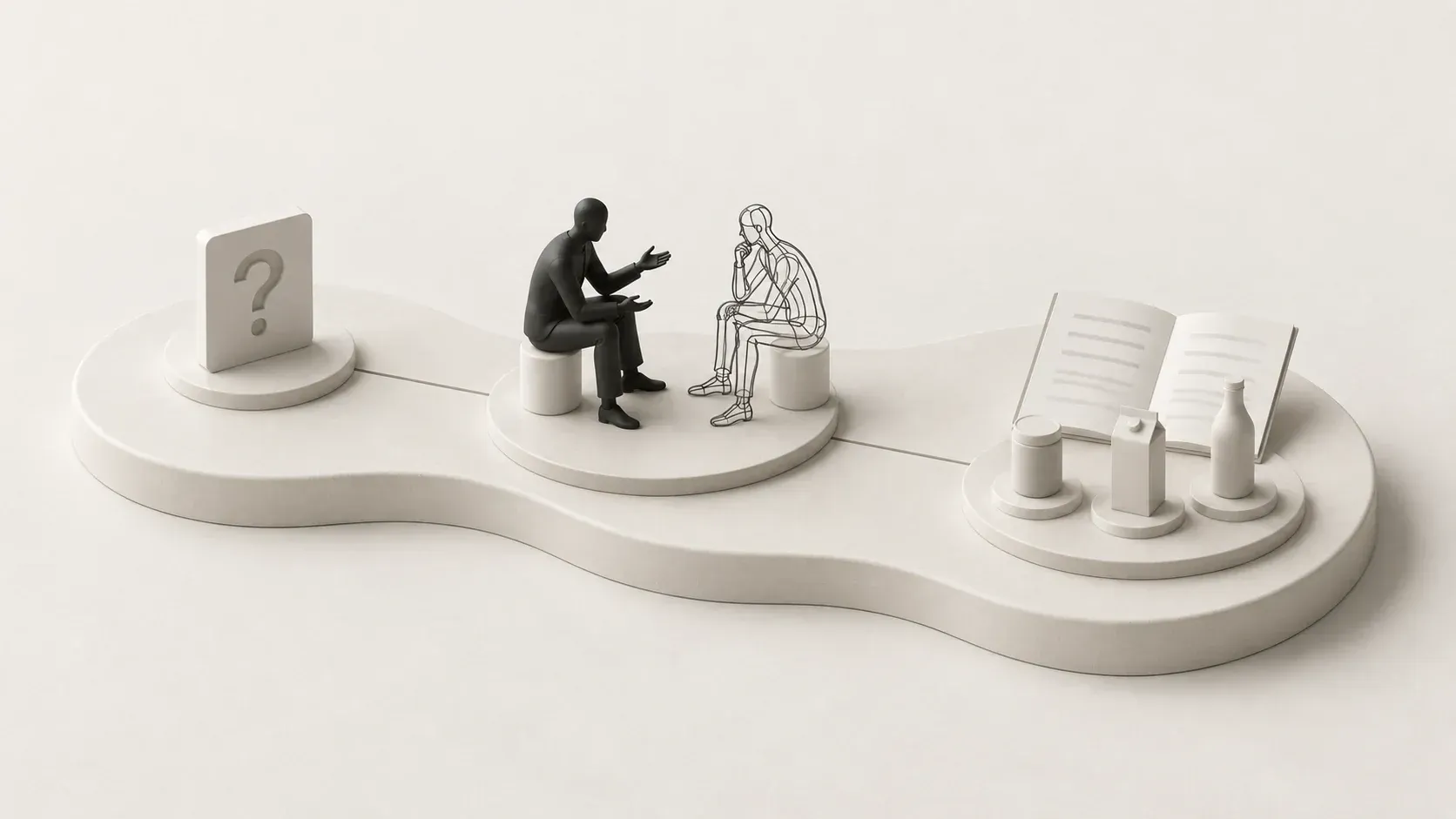
Treat gifting as two decisions. The giver decides whether the product is appropriate, easy to send, and worth the price. The recipient decides whether to open it, use it, or pass it on. A product can win the first decision without earning a place in the recipient's routine.
A fictional premium tea brand has a three-tin set. It can position the same set as an everyday discovery pack or as a thank-you gift. The contents, price, and delivery promise are fixed in the initial comparison. The team wants to decide which position should lead on the main product page.
Put a real occasion behind the purchase
Recruit people with a recent or upcoming gifting occasion, and people who buy premium tea for themselves. If someone fits both groups, assign the intended shopping task in advance. Give each person a complete offer and plausible alternatives for that task. For a thank-you gift, include options outside tea if those are part of a real buyer's choice.
Ask what they would buy, why it fits the occasion, and what would stop the purchase. Separate concerns about delivery date, presentation, recipient tastes, price, and ingredients. When comparing two page treatments within an occasion, keep the item and terms fixed so the team can tell what the positioning changes. Sapien's category entry points guide
Observe the recipient's decision separately
Give potential recipients the actual package or a faithful mockup. Ask what they think it contains, what they would do with it first, and whether any preparation instructions are unclear. If the team needs evidence of actual use, run a short take-home trial and ask what was opened and prepared. Keep the recipient observations separate from the giver's guesses about them.
Decision | Evidence to return |
|---|---|
Giver chooses | Choice for a defined occasion, reason it feels appropriate, practical barriers, and what the person would buy instead. |
Recipient uses | Correct understanding of the teas and instructions, first item opened, and observed or reported use in the stated period. |
Self-buyer returns | Choice in a routine purchase context, expected frequency, and what would need to happen to earn a second order. |
Brand prioritizes | Which route clears the purchase hurdle and whether any recipient barrier can be fixed by presentation or product. |
Decide what should lead
If the gifting page draws purchasers but recipients cannot tell how to brew the teas, improve the insert and confirm actual use before making gifting the lead. If recipients like the set but gift buyers need certainty on delivery, test the delivery message and available dates. If everyday buyers show stronger evidence of repeat, keep gifting as a seasonal page with its own purchase task. GetMinds' gifting example shows how research questions can change with the recipient and occasion. Gifting motivation use case