Ad and Creative Testing Services
Compare campaign creative with the same simulated audience and see which idea communicates the intended benefit, which group responds and what needs revision.
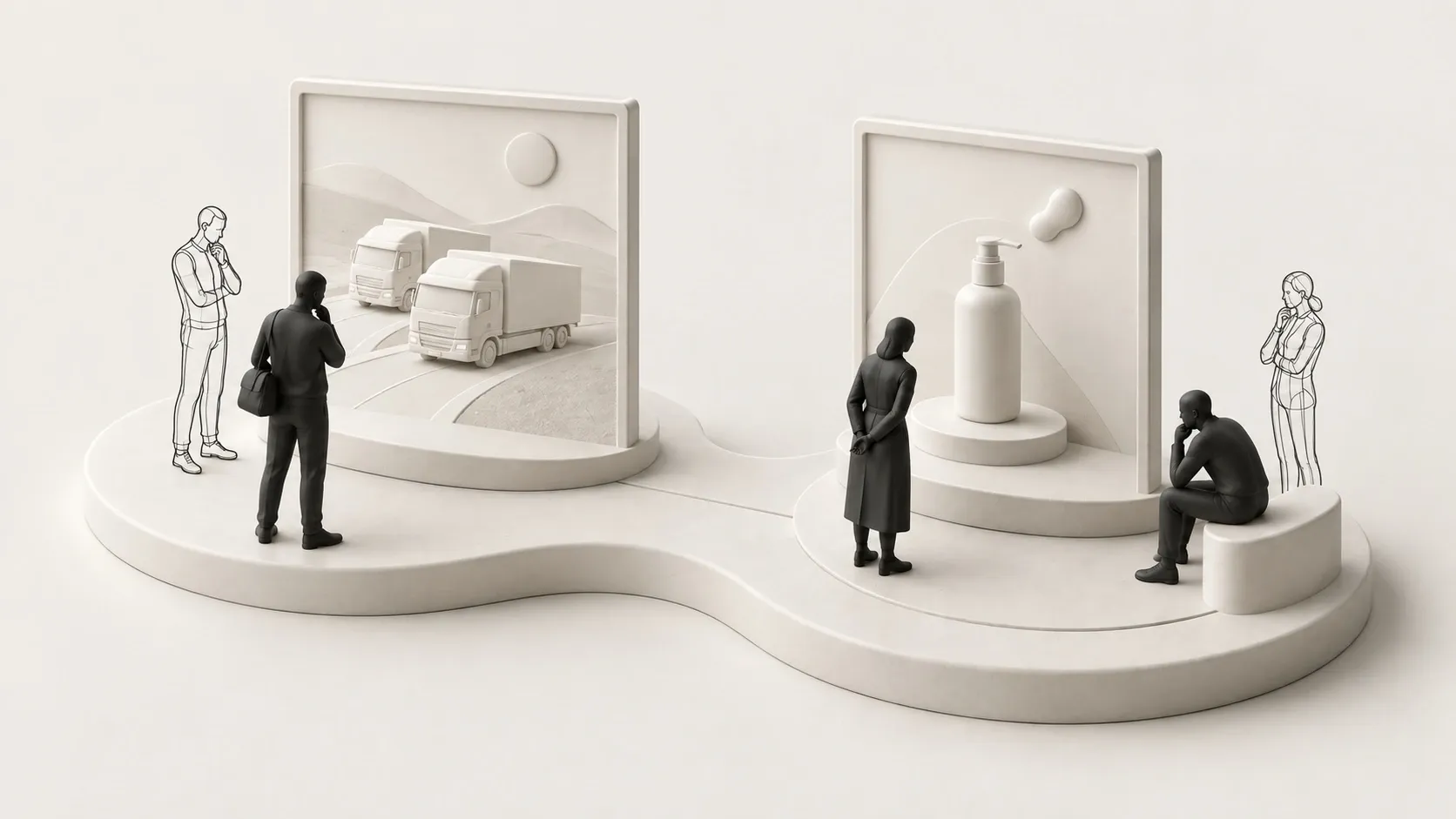
Sapien helps marketing teams and agencies choose which creative to develop and what to improve before the next production or media commitment. We compare ads with a defined simulated audience, investigate the reactions behind the results, and connect the findings to a creative recommendation.
An ad can attract attention for the wrong reason. A striking execution may leave the offer unclear, while a quieter version may explain the benefit to the buyer you need. The study should help your creative and commercial teams discuss that trade-off using the same materials and audience.
The creative question sets the study
For a campaign shortlist, specify whether the next decision concerns a concept, a script, a finished asset or a campaign combination. Agree which materials the study can evaluate and keep their format and level of finish comparable. A rough description of one execution against a finished version of another changes more than the idea.
We can explore what the audience thinks is being offered, the benefit it takes away, reactions to the execution and reasons to consider or reject it. Compare the audience differences that could affect the campaign. A pattern among relevant buyers can matter more than an average across people the offer will not serve.
Three jobs inside a creative review
Shortlisting executions
Compare versions of the same offer and inspect whether a preference comes with the intended understanding. The report should show which audience responds and the rejection or confusion that could change the shortlist.
Revising an execution
Trace an objection back to the asset and response before changing the copy or imagery. Keep the earlier version when evaluating the revision, and agree a fresh first-exposure comparison if learning could change the result.
Evaluating campaign combinations
Specify the creative, audience and offer combinations to investigate. Agree which comparisons would change the campaign plan, so the study produces a usable recommendation rather than a large set of disconnected reactions.
Our team builds the audience, runs the research and helps interpret the result. Follow-up with the same simulated population can investigate an unclear benefit, an unexpected objection or a difference between groups. Agree whether a revision needs a fresh first-exposure comparison rather than relying only on people or profiles that have already seen the explanation.
A liking score is only one part of the decision
Our published ad comparison shows why exceptions matter: the overall pattern can be close while an individual creative changes position. Use that evidence to choose the check your own decision needs, rather than borrow an accuracy headline from another task.
The paired human and Sapien results include both close agreement and an ad-ranking miss. Our ad-testing guide explains the research questions and metrics. A modeled creative reaction is different from observed attention, conversion or sales; use a suitable live measurement for those outcomes.
Before the study, name who will approve the creative and what finding would change the shortlist. Include the campaign objective, market, offer terms, intended audience and versions ready to compare. We can then scope the work around the decision, including the remaining production or live-test step.