Returns Policy Research: Are Free Returns Worth the Cost?
A $64 hoodie shows how to compare a full refund with a $5 return-label charge, then connect customer research to contribution after returns.
Free returns can reassure someone who is unsure about fit. A return fee can preserve contribution on an order that comes back. Your decision depends on how buyers interpret the complete offer, whether it changes paid orders and what those orders leave after returns.
Sapien can compare modeled reactions to return-policy options before you change the customer offer. Our team builds a data-grounded simulated audience and helps interpret which terms create confusion, reassurance or rejection. Combine those findings with operating costs and observed behavior to decide whether a policy change earns its cost.
Put the refund amount beside the promise
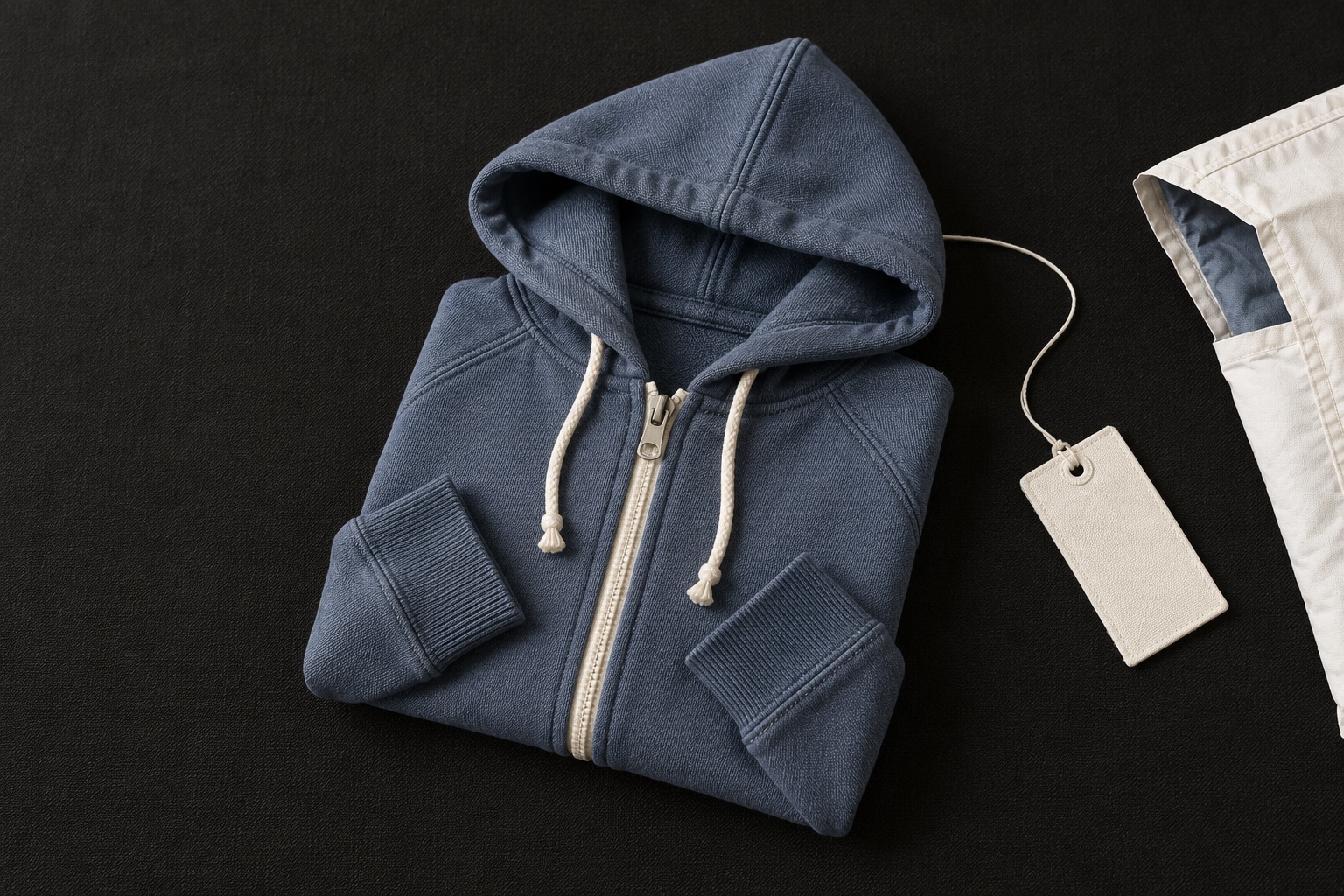
Consider Vale, a fictional US online apparel brand selling a zip hoodie for $64 before tax, including standard delivery. It is comparing two policies. Both allow a return within 30 days of delivery for an unworn hoodie with its tags attached. Both provide a prepaid return label; all other offer terms stay identical.
Policy | What happens to the item refund |
|---|---|
A: free return label | The customer receives the full $64 item refund |
B: $5 return-label charge | When the label is used, $5 is deducted and the item refund is $59 |
The refund figures concern the item price before tax. They do not describe tax treatment. Vale needs to show the timing and eligibility rules consistently in both versions.
“Prepaid label” alone would leave the decision unclear. In both versions, customers receive a label they can use without buying postage themselves. Only one version makes that label free. Someone might like Policy B while assuming a $64 refund, which means the research has captured enthusiasm for a different offer.
Shopify's return-rule documentation treats the return window, shipping costs and eligibility as distinct settings. For your study, assemble those details into one offer a buyer can understand. Check that the store's written promise and actual refund workflow agree before testing the presentation.
Calculate the order increase free returns would need
For this worked scenario, assume a kept order leaves $24 in net variable contribution. A returned order leaves a loss of $9 with free returns, or $4 with the $5 label charge. Those returned-order figures already include the specified refund and variable costs; do not deduct the item refund again.
Assume the same 20% return rate under both policies and the same buyer mix, kept-order contribution and other costs. These are planning inputs, not observed outcomes.
With Policy A, expected contribution per initial order is 80% × $24 plus 20% × −$9, or $17.40. With Policy B, it is 80% × $24 plus 20% × −$4, or $18.40.
Under those fixed assumptions, Policy A needs about 5.75% more initial orders to match the fee policy's total contribution: $18.40 ÷ $17.40 − 1 = 5.747…%.
The denominator matters. The calculation compares contribution per initial order, including orders subsequently returned. Comparing only customers who keep the hoodie would leave out the cost difference that created the question.
This threshold is not a prediction that free returns will produce the extra orders. If return rates, customer mix or handling costs change, recalculate it. A policy that attracts more orders and more returns could produce a different commercial result.
Separate misunderstanding from an understood objection
Show each research participant one complete hoodie page first, with the assigned policy visible where it would appear in the buying journey. Keep the product, size information, price, delivery and page quality matched. Ask what happens if the hoodie does not fit before explaining the refund terms.
The response should establish whether the person understands eligibility, the 30-day window and the item refund. Then ask what they would choose: order this hoodie, continue with a realistic alternative, wait or buy nothing. Explore how the return terms affected that choice.
Two reactions require different work. Someone who expects a full refund under Policy B needs clearer communication about the $5 deduction. Someone who accurately expects $59 and objects to paying for an unsuccessful fit trial understands the offer. Repeating the terms more forcefully would not resolve that objection.
Investigate where the risk comes from. Does the size information answer the buyer's fit question? Would they still reject the fee with adequate product information? These are questions for the study, not assumptions that free returns or a better size guide must solve the problem.
Our message-testing guide explains how to connect interpretations to the next revision. Use that distinction here to decide whether to clarify the policy, improve product evidence or reconsider the commercial terms.
Ask for a decision-focused readout
Agree one row per policy, audience group and question or answer option. Include the exact page version, response source, eligible base, comprehension result and choice share. Keep the explanations tied to the policy shown. Separate modeled responses from any interviews or survey answers collected from people.
Useful groups might include new and returning customers or buyers with different familiarity with Vale's fit. Include a group only when its difference could change the decision. Ask what evidence supports the modeled population; a larger generated response count does not establish a smaller sales-forecast error.
The report should show whether a policy changes understanding, choice or both, and what remains unresolved. Sapien's interactive reports support segment exploration and same-audience follow-ups, helping your team investigate the objections behind a recommendation.
Keep the contribution threshold beside that recommendation. A stated preference difference does not establish the required 5.75% increase in paid orders. It can identify a candidate and an explanation worth testing in the store.
Measure the policy through completed returns
The ecommerce lead should own the policy decision and eligible purchase opportunities. Finance and operations should confirm the contribution inputs, return processing costs and observation window. Define the commercial comparison before exposure, including how repeat visitors and policy promises will be handled consistently.
Our ecommerce research guide covers the distinction between a rejected offer and a checkout failure. Keep both visible during the policy test: extra orders mean little if a technical difference, promotion or stock change altered the comparison.
Record exposure, paid orders, kept and returned items, actual refunds, label charges and relevant variable costs. Retain orders whose return outcome is still unresolved, and wait for the applicable return and processing period before treating an early conversion increase as settled contribution. Returns recorded so far are not the final rate for an immature order cohort.
Compare total net variable contribution on a consistent exposure base, alongside order and return rates. If free returns exceeds the order threshold but its return rate also rises, use the actual combined result. The fixed-input calculation helped plan the test; the measured costs and behavior should inform the policy decision.
Book a Sapien introduction with the hoodie offer, candidate terms and contribution inputs. We can help you identify which buyer concern the policy addresses and define a study that leaves the team with a clear next commercial test.