Product reformulation testing: Will regular buyers accept the new recipe?
A lower-sugar iced tea can go over well in a tasting and still be a harder choice on the shelf. Test the recipe and the explanation before replacing the original.
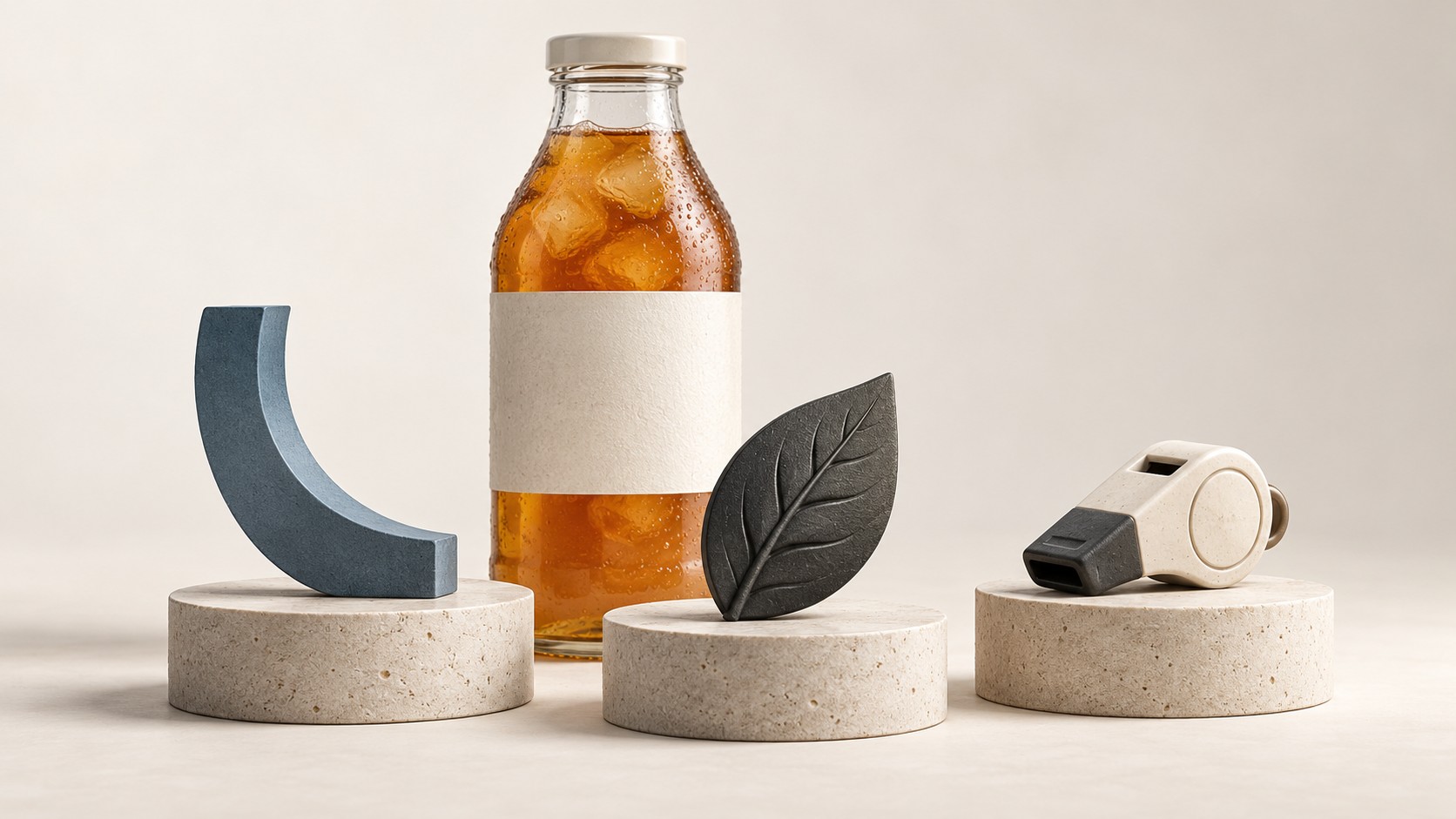
Run a blind tasting to learn whether regular buyers accept the new recipe, then test the branded offer with a separate group. You need both answers before replacing a product people already buy.
In this illustrative example, Birch Finch sells a 16-ounce iced tea for $2.49 and wants to replace it with a recipe that contains less sugar. Recruit people who buy and drink the original regularly. Set the cutoff from the tea’s actual purchase pattern and check recent receipts or loyalty records where available. Include enough frequent buyers to read their responses separately. A small drop in average liking can hide a larger change among the people who buy the tea most often.
Set the acceptance rule before anyone tastes
Serve the original and revised teas in coded cups at the same temperature and under comparable storage and serving conditions. Randomly assign half the buyers to taste the original first and half to taste the revision first. Have each person rate overall liking after each sample, then ask about sweetness, bitterness, and aftertaste so the recipe team knows where to look if scores fall.
Decide how much loss in liking you can tolerate before fieldwork. Birch Finch’s example limit is 0.4 points on a nine-point scale. The original averages 7.1 and the revision averages 6.9. The paired difference is −0.2 points, with a confidence interval from −0.34 to −0.06. The lower bound clears the −0.4 limit. An interval crossing that limit would leave the decision open. Our sensory market research guide
In a reformulation project for a snack maker, Eolas International used sensory profiling and then had consumers try the original and revised products blind at home. The sensory work gave the recipe team details to investigate, while the tasting tested consumer reactions to the products. Eolas International’s reformulation case
Test what the branded bottle leads buyers to expect
Recruit a separate group from the same regular-buyer pool. Randomly assign each person to the original bottle or the proposed bottle at the same price and size. Before they taste the corresponding tea, ask what they expect from the bottle. After tasting, ask whether they would choose it on their next shop at that price, with their usual alternatives available.
In the example, 35 of 50 buyers shown the original say they would choose it, compared with 27 of 50 shown the revision. The 16-point gap exceeds the team’s 10-point limit for advancing to a retail pilot. Several people shown the revision expect a different sweetener, though the recipe uses less of the same sugar. The next test keeps the revised tea fixed and compares two accurate ways to explain the change.
We can compare how simulated buyers interpret draft explanations and use those answers to choose wording for a branded test. Use people tasting the actual tea to judge flavor and aftertaste. How Sapien works
Let the result determine the next move
What regular buyers show | Next move |
|---|---|
The blind test shows a drop beyond the agreed limit. | Revise the recipe using the sensory feedback, then taste it against the original again. |
The blind result is inconclusive at the limit. | Resolve the tasting question before changing the label or shelf offer. |
Blind liking clears the limit, but branded acceptance falls and buyers misread the change. | Compare clearer explanations using the same revised tea, then repeat the branded test. |
Blind liking and branded acceptance both clear the agreed thresholds. | Take the revision into a limited retail launch and check whether regular buyers return. |
In a retail pilot, identify regular buyers from their prelaunch purchases. Compare repeat buying in stores carrying the revision with comparable stores that keep selling the original. Agree on the maximum drop in repeat purchase you would accept before the pilot and give shoppers a full buying cycle to return. Use that result to decide whether to replace the original more widely.